Considerations and Challenges:
1. Non-rebound Issue: The lack of a venting layer in the single-layer design may lead to non-rebound issues, especially during long-term or high-frequency usage, requiring design optimization.
2. Through-Hole Design: To address non-rebound issues, through-holes are typically added on the cover surface to improve ventilation and button rebound effects. However, the addition of through-holes may reduce dust-proof performance.
3. Dust-proof Issue: Adding through-holes may decrease the dust-proof performance of the switch, potentially affecting button performance and lifespan. Therefore, design optimization is needed to balance button rebound and dust-proof performance, such as adding sealing designs in critical areas or using a dual-layer structure to enhance dust-proofing.
4. Optimized Design: Through rational design and material selection, efforts can be made to minimize the impact of non-rebound and dust-proof issues. For example, using highly elastic metal materials and appropriate adhesive techniques can improve button rebound performance and lifespan.
In summary, the single-layer membrane switch has many advantages, but attention should be paid to its non-rebound and dust-proof issues during design and application. Through proper design and optimization, its overall performance and reliability can be enhanced.
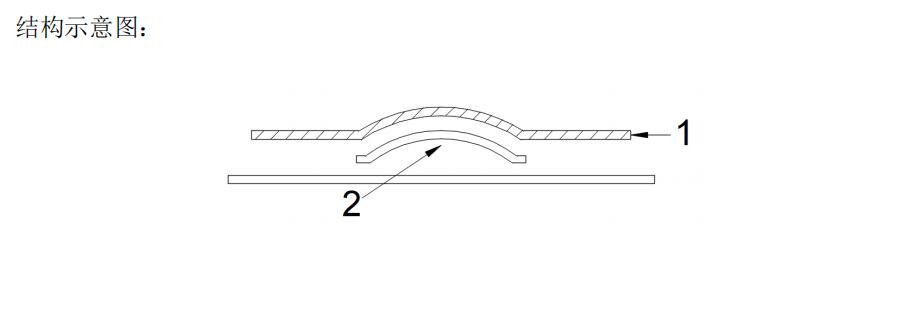
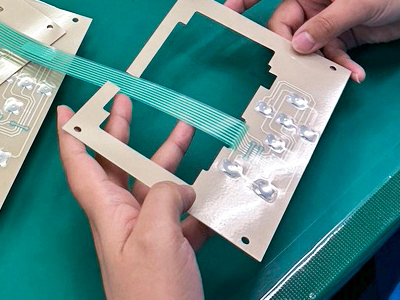
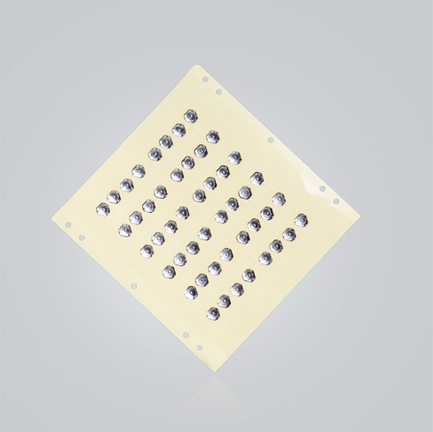
The single-layer membrane switch (Metal Dome Array) has advantages such as low cost and simple structure, but it also presents some challenges. Here are its characteristics and considerations:
1. Simple Structure: The single-layer membrane switch consists of a metal dome (dome switch) and an adhesive layer, making it easy to manufacture and install.
2. Low Cost: Due to its minimal materials and simple manufacturing process, the single-layer membrane switch has low production costs, suitable for mass production applications.
3. Easy Installation: The metal dome is fixed onto the circuit board using self-adhesive or conductive adhesive, requiring no complex tools or processes for installation.
4. Good Tactile Feedback: The metal dome provides clear tactile feedback with a distinct "click" sound and sensation when pressed, enhancing user experience.
5. Flexible Dimensions: The single-layer membrane switch can be customized to various sizes and shapes to meet different application requirements and design specifications.
6. Excellent Conductivity: The metal dome material is typically stainless steel or nickel-silver alloy with good conductivity, ensuring stable and reliable signal transmission during button operation.
7. High Durability: Precision-designed and manufactured metal domes can withstand high-frequency pressing, typically enduring from tens of thousands to millions of press cycles.
8. Strong Adaptability: Suitable for various environmental conditions including different temperatures, humidity levels, and vibration environments, ensuring stable performance under harsh conditions.
9. Thin Design: The thin thickness of the single-layer membrane switch contributes to achieving slim designs for electronic products, meeting the demands for miniaturization and lightweight in modern electronics.